Nature at Mleiha National Park
Where The Desert Lives And Breathes
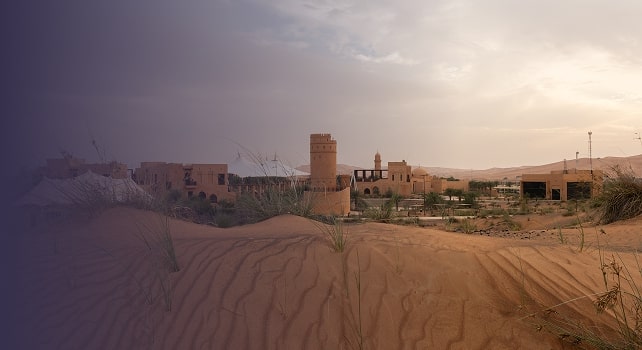
Mleiha National Park isn't an empty expanse of sand, it's a thriving ecosystem shaped over millions of years. From fossil-rich ridges and golden dunes to hardy plants and desert wildlife, every element of this landscape reveals the story of survival and transformation.
Land Of Contrast And Character
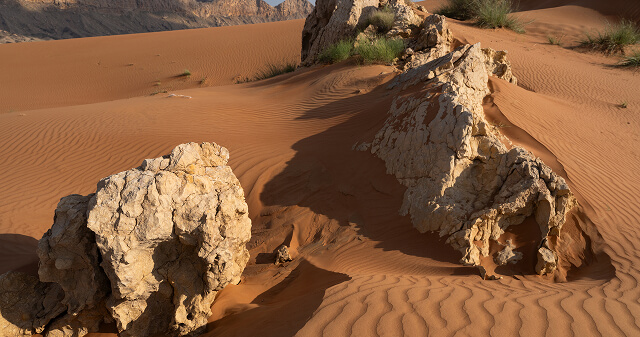
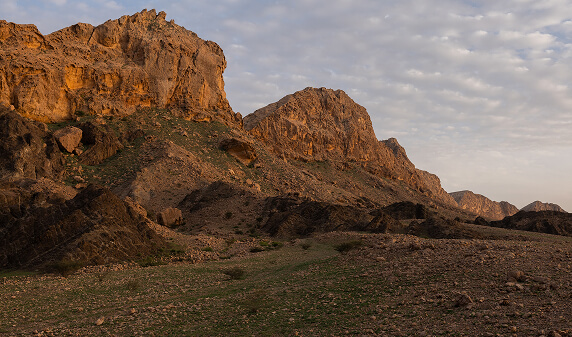
Stretching across 34 square kilometres, Mleiha National Park's terrain blends sweeping sand dunes, rugged limestone outcrops, and ancient gravel plains. Wind and time have sculpted a desert of extraordinary texture, colour, and geological importance which is a living record of shifting seas and evolving climates.
Life Rooted In Resilience
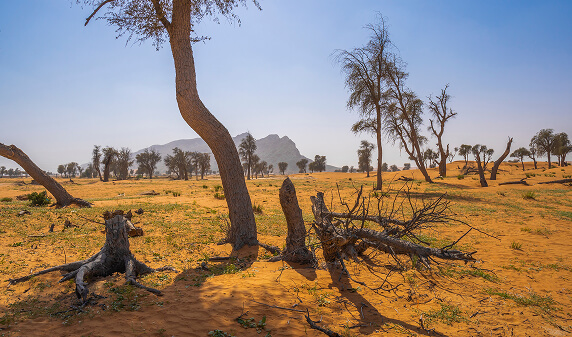
Despite its arid climate, Mleiha National Park supports remarkable vegetation. Deep-rooted Ghaf and acacia trees anchor the dunes, while hardy shrubs and seasonal blooms like the Arabian primrose provide food and shelter for desert wildlife throughout the year.
Wildlife That Defies The Odds
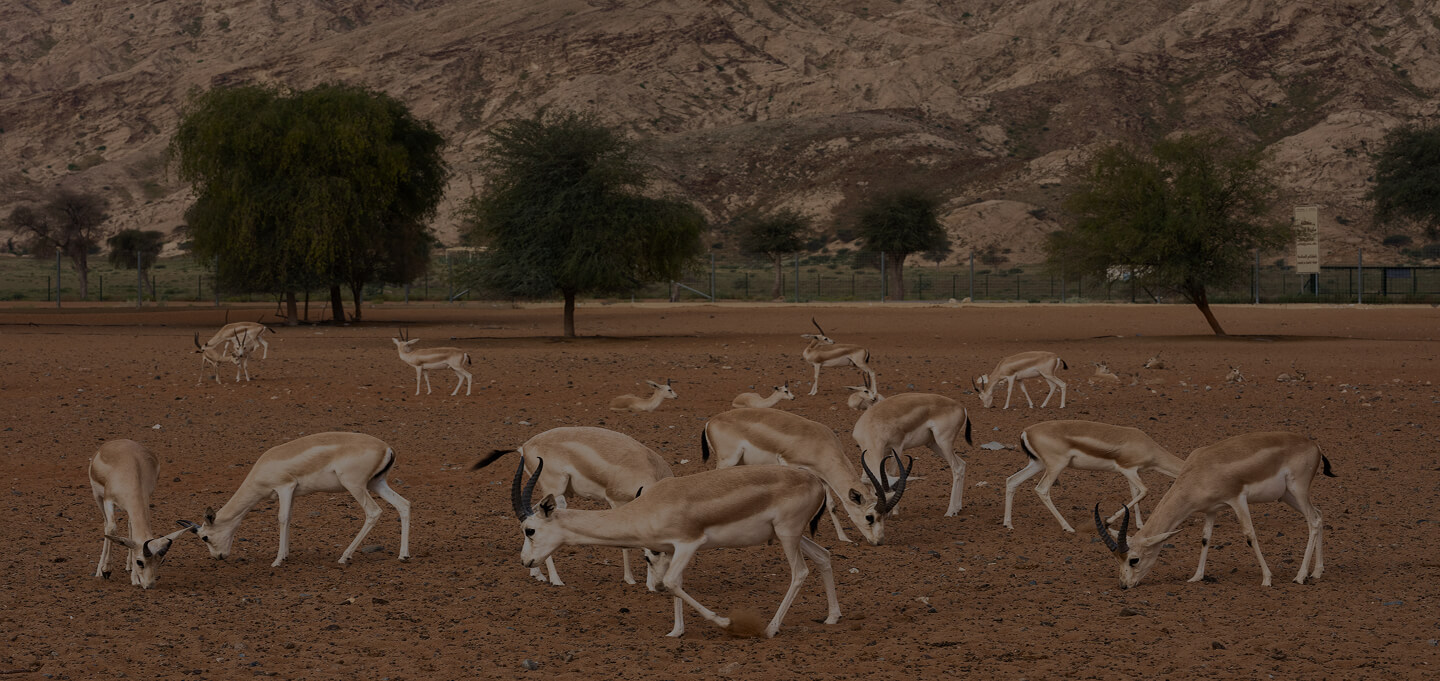
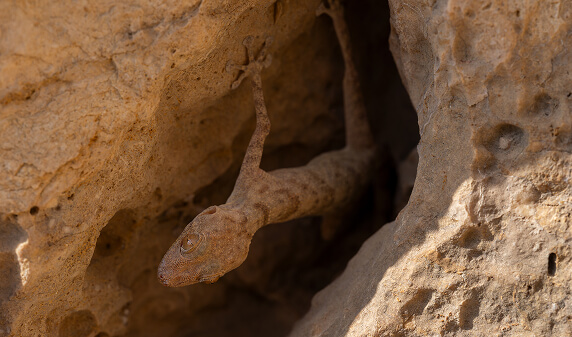
Mleiha National Park's desert teems with life adapted to its extremes, from the Arabian red fox and sand gazelle to reptiles like the sandfish skink and spiny-tailed lizard. Over 100 recorded species reveal the biodiversity hidden within Sharjah's sands.
Stories Written In Stone
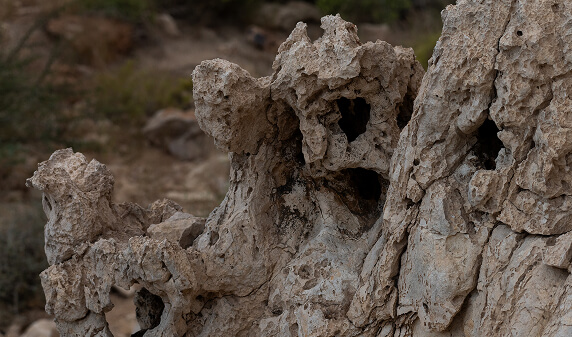
Long before humans walked this land, Mleiha National Park lay beneath an ancient sea. Its cliffs and rocks preserve fossils of marine life dating back millions of years which provides a tangible evidence of Earth's evolution and the desert's enduring transformation.
Preserving Sharjah's Natural Legacy
Designated as a Core Conservation Zone, Mleiha National Park safeguards its fragile ecosystems through research and sustainable management. Conservation efforts ensure that its landscapes, plants, and wildlife remain protected, to allow the desert's story to continue for generations to come.
A Desert Alive With Meaning
Mleiha National Park's nature is both ancient and alive, forming a meeting of geology, ecology, and time. To explore it, is to understand how life endures, adapts, and thrives in the desert.